


WCAG 2.1 Workshop Eliminated 350+ Accessibility Bugs
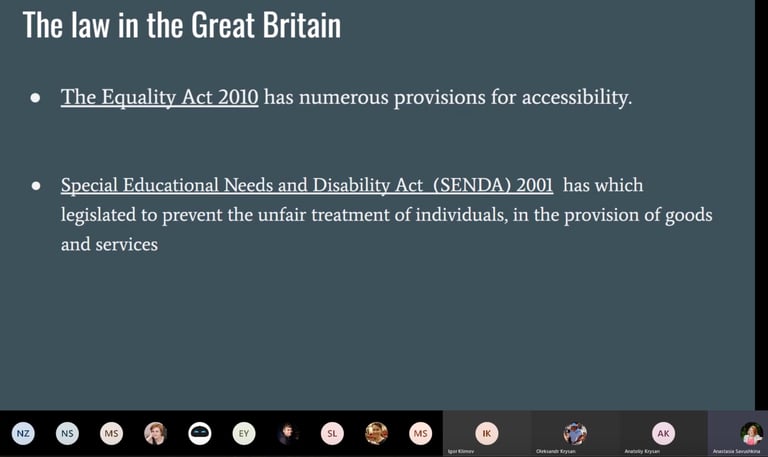
The British company I worked for was subject to the Equality Act 2010, which mandates ensuring the accessibility of digital products. However, despite the legal requirements, accessibility was not integrated into the processes: the website contained dozens of barriers, and inclusion was perceived as a "nice bonus" rather than a part of high-quality UX.
Problem
During my first weeks of work, I noticed that:
users with visual impairments could not navigate using the keyboard;
screen readers were confused by the page structure;
design system components did not comply with WCAG 2.1 AA;
the team had no testing processes or basic understanding of accessibility.
The company understood the legal risks but had no clear vision of how to approach accessibility practically.
Since I had just completed the Inclusive Web Design course at Projector, I decided to initiate the changes.
Research and Preparation
I conducted an express audit of 12 key product pages. At this stage, I:
gathered typical errors according to WCAG 2.1 AA;
assessed the impact of each error on the real user experience;
prepared educational material for the team — what accessibility is, why it is important, and why it is not "about people with disabilities," but about a high-quality experience for everyone.
Educational Workshop: Launching Changes
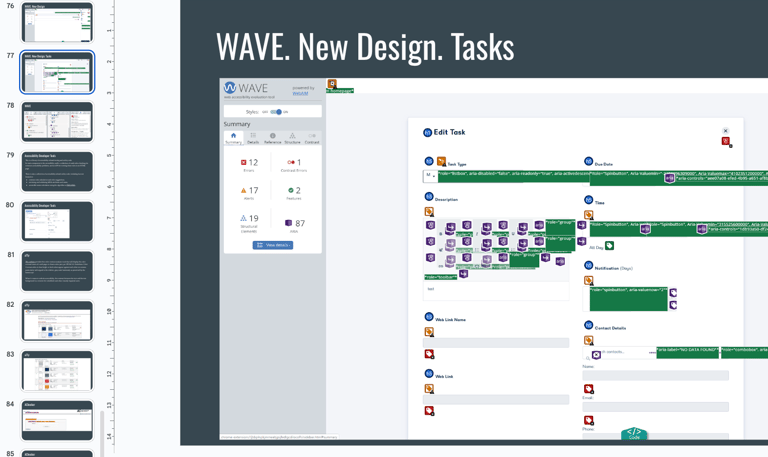
I conducted a 1.5-hour workshop for the product, development, and design teams, where we analyzed:
Laws and standards: Equality Act 2010, WCAG 2.1 AA, and the POUR principles;
Real-life examples of barriers on our website and how they complicate usage;
Common error patterns and their impact on users;
How to integrate accessibility into the design system and development processes.
This workshop became a turning point: following the session, I was invited to join the team preparing for an external accessibility audit.
External Audit: Diagnosing the Scale
The company invited certified accessibility experts for an official review. The result was shocking but honest:
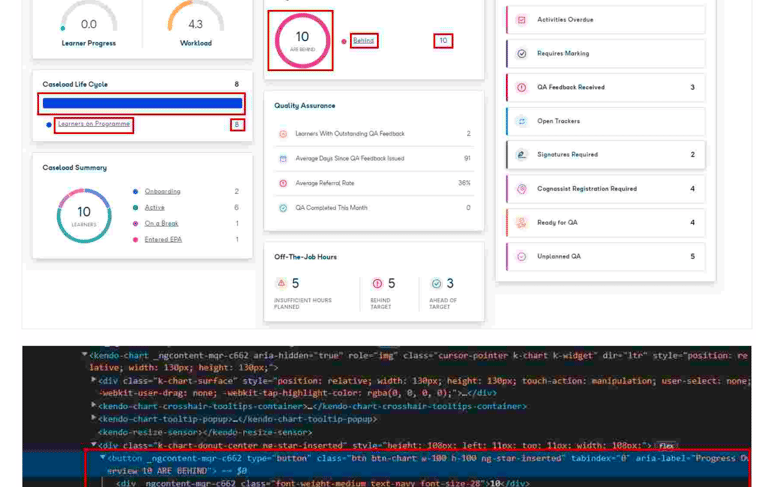
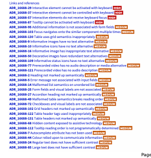
350+ errors according to WCAG 2.1 AA;
Over 50% were critical, making it impossible to use the website;
Major failures: keyboard navigation, ARIA attributes, heading structure, and color contrasts;
Design system components were unpredictable for assistive technologies.
The audit served as an objective starting point for change and gave the company an understanding of the scale of the problems.
Implementation: Systemic Work
We divided the work into parallel streams:
Updating the Design System
checked all UI tokens for contrast and scaling;
redesigned buttons, input fields, modals, and other components;
added state behaviors for focus, hovers, errors, and screen readers.
Refactoring the Component Library
implemented recommended aria-labels and roles;
configured correct readability for screen readers (NVDA, VoiceOver);
eliminated focus traps and keyboard navigation issues.
Automation
added automated checks (axe, WAVE API) into the pipeline;
created WCAG checklists for designers, developers, and QA engineers;
integrated manual testing into the review processes.
Documentation
We prepared an internal guide with rules on:
how to create accessible components;
how to write alt-text and ARIA descriptions;
how to test accessibility before a release.
This documentation became the foundation for maintaining accessibility after the project was completed.
Results
After the follow-up audit:
WCAG 2.1 AA — compliance confirmed;
All critical errors — eliminated;
Only low-impact issues remained, which do not affect usage;
The design system became fully compatible with accessibility technologies;
The team began making accessibility a part of every release.
Conclusions
This case proved several important things to me:
Accessibility cannot be "tacked on" at the end. This case showed that trying to fix accessibility after a release turns into a struggle with the consequences. True inclusion is built-in during the architecture and prototyping stages.
Investment in team education yields the highest ROI. Instead of fixing every bug myself, I provided the team with tools and knowledge. Now, accessibility is maintained by the team itself without my constant supervision.
Compliance is only the start. Legal requirements ensure access, but our task is to ensure usability. We moved from formal compliance to creating truly high-quality UX for everyone.
Accessibility is not a technical requirement, but the foundation of high-quality UX for all users.
"Anastasia played a key role in ensuring the accessibility of our educational platform. She demonstrated a high level of self-organization by mastering the WCAG 2.1 standard and integrating the necessary testing tools into our development process. Her contribution to team education is particularly noteworthy: Anastasia was able to transform complex inclusivity requirements into clear guidelines, which significantly simplified further product maintenance."
— Anatoliy Krysan, Engineering Manager
"I had the great pleasure of working with Anastasiia at Aptem. She became a true driver of change, being the first to raise the issue of digital accessibility at the company level.
Anastasiia did a tremendous job, from deep-diving into the regulatory framework to implementing specific standards across our products. Thanks to her initiative, we successfully transformed our development approach: all new functionality is now implemented according to AA accessibility standards, and the most critical accessibility issues in existing products have been resolved.
Her contribution to team training was particularly valuable—she conducted an insightful webinar and served as an internal consultant for developers and QA engineers on issue-detection tools. I highly recommend Anastasiia as an expert who not only possesses deep technical knowledge but also knows how to effectively improve development processes."
— Oleksandr Krysan, Lead Software Engineer



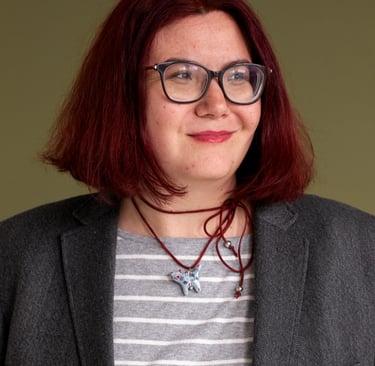
Anastasiia Savushkina
WCAGENTS Expert
+380 73 377 9824
info@wcagents.com.ua
Vulytsya Yevhena Sverstyuka, 2А, 608
BC Livoberezhniy, Kyiv
